Identifying the farms that matter most for Scope 3 reduction
The company is one of Europe’s leading meat-processing companies,
operating within a complex supply chain that includes hundreds of beef
and dairy farms. To support credible climate commitments and guide
decarbonisation efforts, the organisation needed greater visibility into
emissions sources across its upstream operations.
The challenge
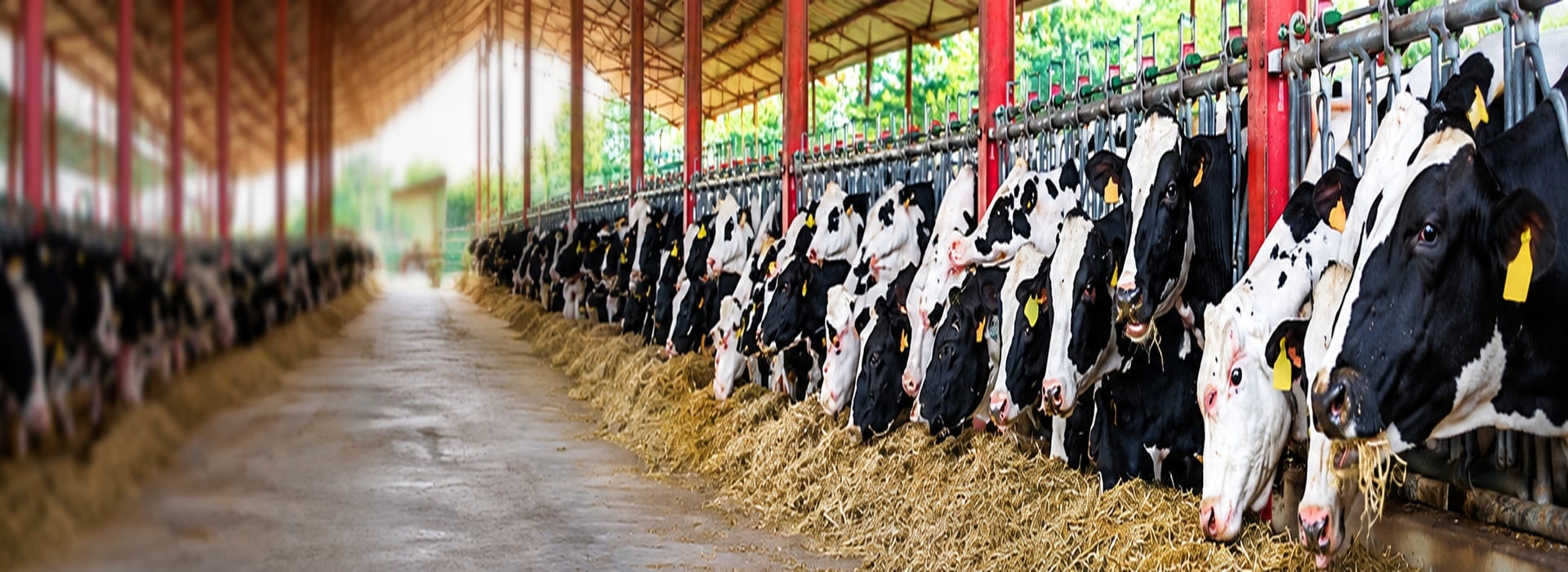
More than 90% of emissions originated within Scope 3 activities, yet farm level data remained limited and inconsistent. Existing emissions baselines were not detailed enough to identify where investment would deliver the greatest reduction, or which changes farmers could realistically adopt.
The approach
dss+ developed a detailed farm-level assessment programme combining quantitative GHG accounting with qualitative readiness evaluations. More than 250 farms were analysed using a tailored survey process and IPCC Tier 2 methodology to improve emissions accuracy. The assessment refined the carbon baseline, identified where reductions could realistically be achieved and which farms and interventions should be prioritised.
Impact on the ground
The inflection point
“The breakthrough was identifying that fewer than half the farms accounted for more than 80% of emissions. This allowed the client to target effort and investment where it could have the greatest impact, resulting in a pathway with potential to reduce Scope 3 emissions by 19% over 10 years.“
- Massimo Marino, Principal, dss+