FAIRCHAIN: Circular Food Innovation for SMEs
FAIRCHAIN, a European Commission-funded initiative, aimed to bridge gaps between short and long food value chains by piloting intermediate models. dss+ contributed to regional innovations in Switzerland, France, Greece, Austria, Sweden and Belgium, focusing on circular economy, stakeholder engagement, and sustainable business models.
Challenge
Traditional food systems often underutilise co-products, lack traceability, and struggle to scale sustainable practices. FAIRCHAIN needed to demonstrate viable, regionally adapted business models that could add value to agri-food co-products, engage stakeholders, and ensure long-term sustainability across diverse European contexts.
Solution & methodology
The co-created solutions included six innovations, among them:
- In Switzerland, a pyrolysis-based model to valorise fruit co-products.
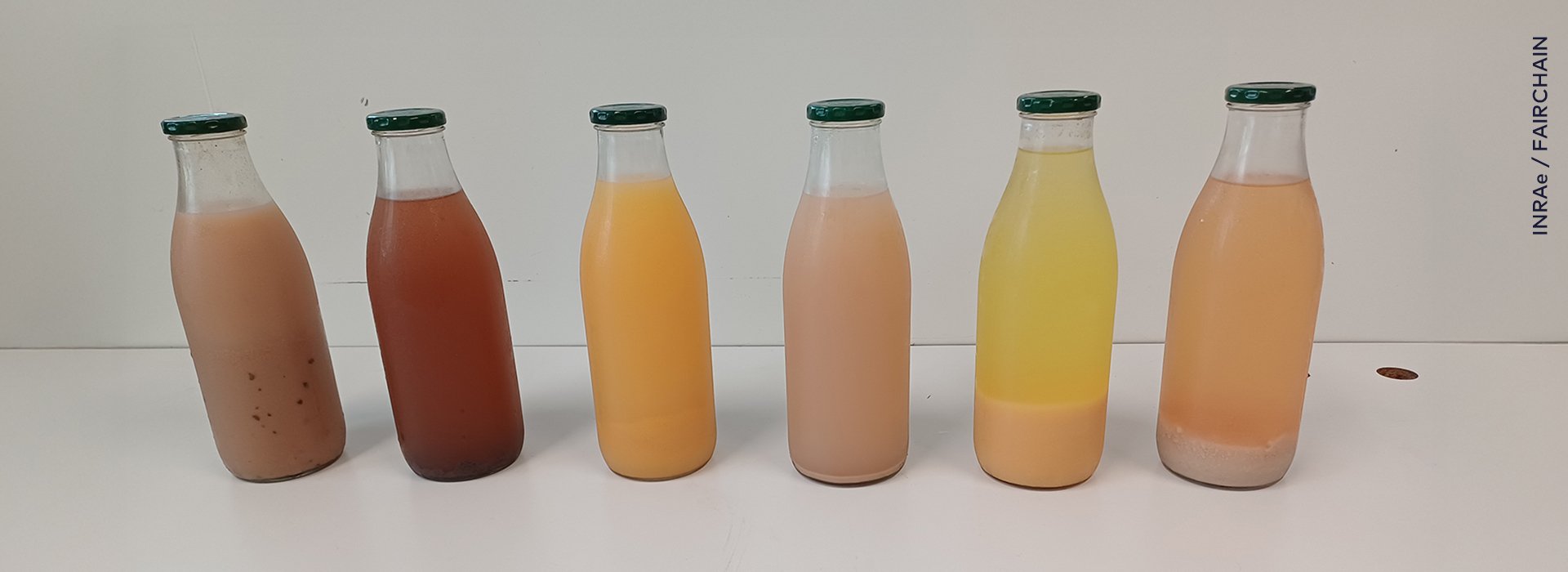
- In France, a new whey-based drinks using acid whey from cheese-making.
- In Greece, a blockchain-based traceability system for PDO feta cheese.
Each solution was co-developed with local stakeholders through tailored Business Model Generation workshops, ensuring relevance, feasibility, and long-term impact. consistently in sourcing, due diligence, and engagement.

Assignment
- Design, prepare and facilitate regional Business Model Generation workshops.
- Lead raw material assessments and stakeholder engagement.
- Develop circular business concepts tailored to local contexts.
- Support market validation and product development.

Offering
- Maximise Sustainability and ESG Impact
- Enhance Operations Performance

Impact
- New revenue streams created from food co-products.
- Reduced waste and improved resource efficiency.
- Boosted consumer trust through traceability and transparency.
- Strengthened SME collaboration and regional innovation.
“Building on a step-by-step strategic approach and an integrated vision, dss+ played a pivotal role in the development of new, customised business models with a strong sustainability orientation.”
Geneviève Gesan-Guiziou, Coordinator of the European FAIRCHAIN project