Aligning people and operations. The role of the CHRO in operations transformation.
The role of the Chief Human Resources Officer (CHRO) has expanded materially as organisations confront operational disruption, workforce shifts, and rapid digital change. HR leaders are increasingly expected to shape how operational transformation is designed and delivered, influencing safety performance, workforce productivity, and the organisation’s ability to sustain change over time.

In high-performing companies, CHROs are co-leading change with CEOs, COOs, and CFOs. Their impact lies in connecting strategy to people: transformation succeeds not through systems alone, but when leaders embed the conditions for employees to adapt, perform, and thrive.
Based on interviews with senior HR and transformation leaders across industries, this paper explores how CHROs are:
- Co-owning transformation priorities and KPIs alongside other executives
- Translating operational goals into people strategies that sustain performance
- Driving behavioural change through competency, capability, and culture building
- Building readiness and trust for digital and safety transformation
- Sustaining engagement and energy through periods of prolonged change
The message is simple:
Operations transformation is human-powered, and the CHRO is essential to making it work.
Introduction
Operations transformation has become a defining challenge for today’s organisations. Pressures to improve efficiency, manage risk, and respond to constant disruption are forcing leaders to rethink how their businesses operate. Yet transformation only endures when behaviours, mindsets, and leadership align across the organisation.
For too long, the human dimension of change has been treated as secondary – managed through programmes that rarely reach the frontline. What makes transformation last is not process design or technology, but the ability to mobilise people around new ways of working and to embed cultural norms that sustain performance.
This is where the CHRO plays a decisive role. As organisations adapt to new technologies, regulatory demands, demographic shifts, and rising expectations around safety and sustainability, CHROs are increasingly the architects of change. They connect people strategy with operational goals such as safety performance, productivity, and risk management, ensuring transformation takes root in the daily routines and decision-making of leaders and teams.
At dss+, we see this every day.
Working at the intersection of people, operations, and risk, we know that culture cannot shift without leadership, and operations transformation cannot be sustained without culture. The CHRO is uniquely placed to bridge these elements and turn transformation from an aspiration into a lived reality.
Conclusion
HR as an operations transformation engine
Transformation only endures when culture, capability, and leadership align with operational goals. That alignment does not happen by chance: it is built through shared ownership between the CHRO, CEO, COO, and CFO. By embedding HR in operations, championing digital readiness, and making culture measurable, organisations create the conditions for resilience and performance.
At dss+, we see this every day. In high-risk, high-reliability environments, transformation succeeds only when people and operations advance together. Our experience shows that when CHROs help leaders embed culture into daily routines, strengthen capability, and build trust under pressure, transformation becomes sustainable.
The CHRO’s role is now inseparable from the success of transformation itself. By stepping fully into this position, CHROs can demonstrate what forward-looking organisations already know: the future of operational transformation is human-powered – and HR is its engine.
Contact


Helen is a senior learning, leadership and transformation director with 25+ years’ experience driving capability and change in complex, high risk global environments. She has led large scale programmes for bp, Glencore Oil and dss⁺ clients, delivering award winning leadership solutions and measurable impact at scale.

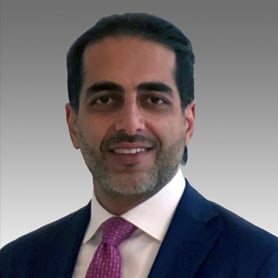
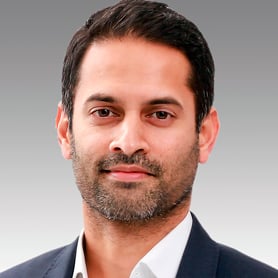
Helen is a senior learning, leadership and transformation director with 25+ years’ experience driving capability and change in complex, high risk global environments. She has led large scale programmes for bp, Glencore Oil and dss⁺ clients, delivering award winning leadership solutions and measurable impact at scale.
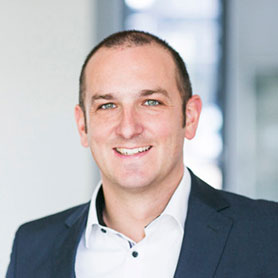
Gunther has over 20 years of experience leading international transformation programs across complex multisite organizations. He has shaped and delivered impactful change initiatives in industries such as steel, metals, mining, chemicals, and mechanical engineering. His programs consistently help companies build more resilient and sustainable business models and cultures.

Gunther has over 20 years of experience leading international transformation programs across complex multisite organizations. He has shaped and delivered impactful change initiatives in industries such as steel, metals, mining, chemicals, and mechanical engineering. His programs consistently help companies build more resilient and sustainable business models and cultures.
Helen is a senior learning, leadership and transformation director with 25+ years’ experience driving capability and change in complex, high risk global environments. She has led large scale programmes for bp, Glencore Oil and dss⁺ clients, delivering award winning leadership solutions and measurable impact at scale.
Gunther has over 20 years of experience leading international transformation programs across complex multisite organizations. He has shaped and delivered impactful change initiatives in industries such as steel, metals, mining, chemicals, and mechanical engineering. His programs consistently help companies build more resilient and sustainable business models and cultures.